AMS 2759 — SAE Aerospace Heat Treatment of Steel Parts
The SAE aerospace specification mandating quench media qualification and cooling curve analysis for all steel heat treatment operations in aerospace supply chains.
What is AMS 2759?
SAE AMS 2759 — "Heat Treatment of Steel Parts, General Requirements" — is the foundational aerospace material specification governing the heat treatment of steel parts for aerospace and defence applications. Published by SAE International, AMS 2759 establishes the general requirements that apply across the entire AMS 2759 family of specifications (AMS 2759/1 through AMS 2759/14), covering every steel heat treatment process from carburising and nitriding to through-hardening and stress relief.
For quenching operations, AMS 2759 mandates the qualification, approval, and periodic monitoring of quench media — including quench oils, polymer quenchants, and other liquid quenching media. Cooling curve analysis (referenced via ASTM D6200 or ISO 9950 methodology) is the accepted method for demonstrating quench media compliance. All AMS 2759 heat treatment operations are subject to NADCAP (National Aerospace and Defense Contractors Accreditation Program) audits, which specifically verify quench media monitoring records.
AMS 2759 also cross-references AMS 2750 (Pyrometry) for temperature uniformity survey (TUS) and system accuracy test (SAT) requirements — making it one of the most rigorously documented heat treatment specifications in any industry.
Apparatus & Key Specifications
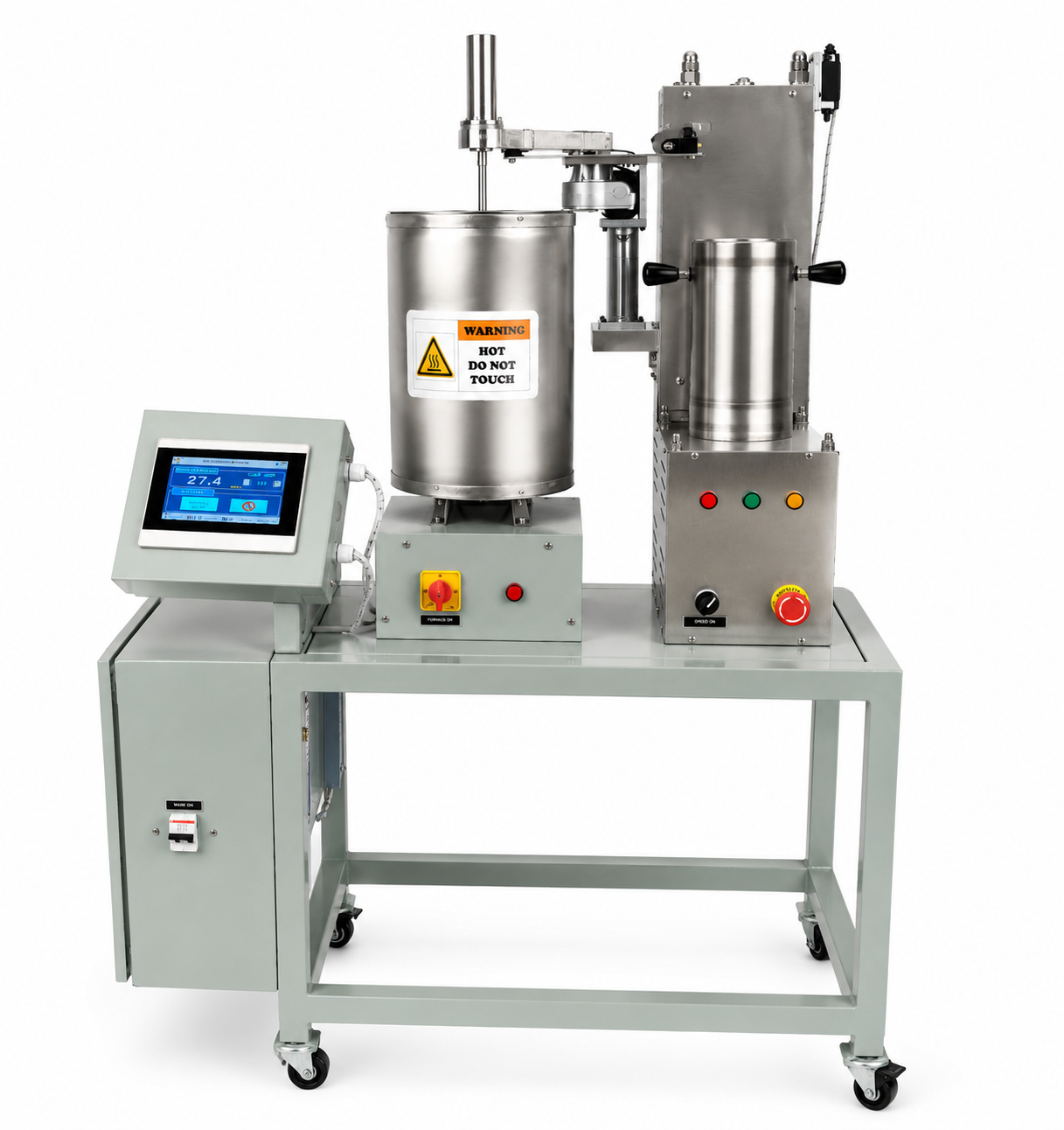
AMS 2759 mandates the following apparatus — all requirements are met by ProVaC's Pro-Quenchometer platform.
Reported Parameters
AMS 2759 requires the following parameters to be calculated and reported for each test run. ProQuench software computes all of these automatically.
Reference Fluid Limits
These acceptance limits must be met when testing the calibration reference fluid — verifying equipment and probe are within specification.
Who Uses AMS 2759?
From global quench oil producers to aerospace forging shops — AMS 2759 is relied upon across industries where quenchant quality directly impacts part performance and process safety.
Aerospace Heat Treatment Shops
NADCAP-accredited heat treatment operations processing aerospace steel components — landing gear, engine shafts, airframe fasteners — require AMS 2759 quench media documentation for every qualifying furnace and quench tank.
Defence & Space Manufacturers
Defence and space component manufacturers including HAL, DRDO, and ISRO suppliers processing steel parts to AMS 2759 requirements must maintain documented quench oil monitoring records for product and process certification.
Turbine Engine Component Suppliers
Turbine disc, blade root, and shaft heat treaters working to AMS 2759/2 and AMS 2759/3 specifications require AMS-compliant quench oil monitoring — where cooling curve consistency directly impacts fatigue life and structural integrity.
Aerospace Fastener Manufacturers
High-strength aerospace fastener heat treaters (NAS, MS, and AN standard parts) operating under AMS 2759/1 and 2759/2 require periodic quench oil testing as part of their NADCAP or OEM process certification.
MRO & Overhaul Facilities
Aerospace MRO facilities performing heat treatment repairs on steel components must maintain AMS 2759 quench media qualification records for regulatory and customer compliance — including records of every periodic test and quench bath changeout.
Aerospace Materials Laboratories
Materials qualification labs, DPD certification facilities, and aerospace R&D labs testing steel alloy heat treatment processes require AMS 2759 compliant quench oil monitoring and documentation for process approval packages.
Does your industry rely on AMS 2759? ProVaC has the right solution for you.
How ProVaC Enables AMS 2759 Compliance
Every aspect of AMS 2759 is directly addressed by ProVaC's Pro-Quenchometer, Inconel Probes, and ProQuench V3 software.
NABL Traceability for Aerospace
ProVaC's Inconel probes carry NABL-traceable calibration certificates — meeting the aerospace documentation standard required for AMS 2759 quench media monitoring records and NADCAP AC7102 audit evidence.
NADCAP-Ready Test Reports
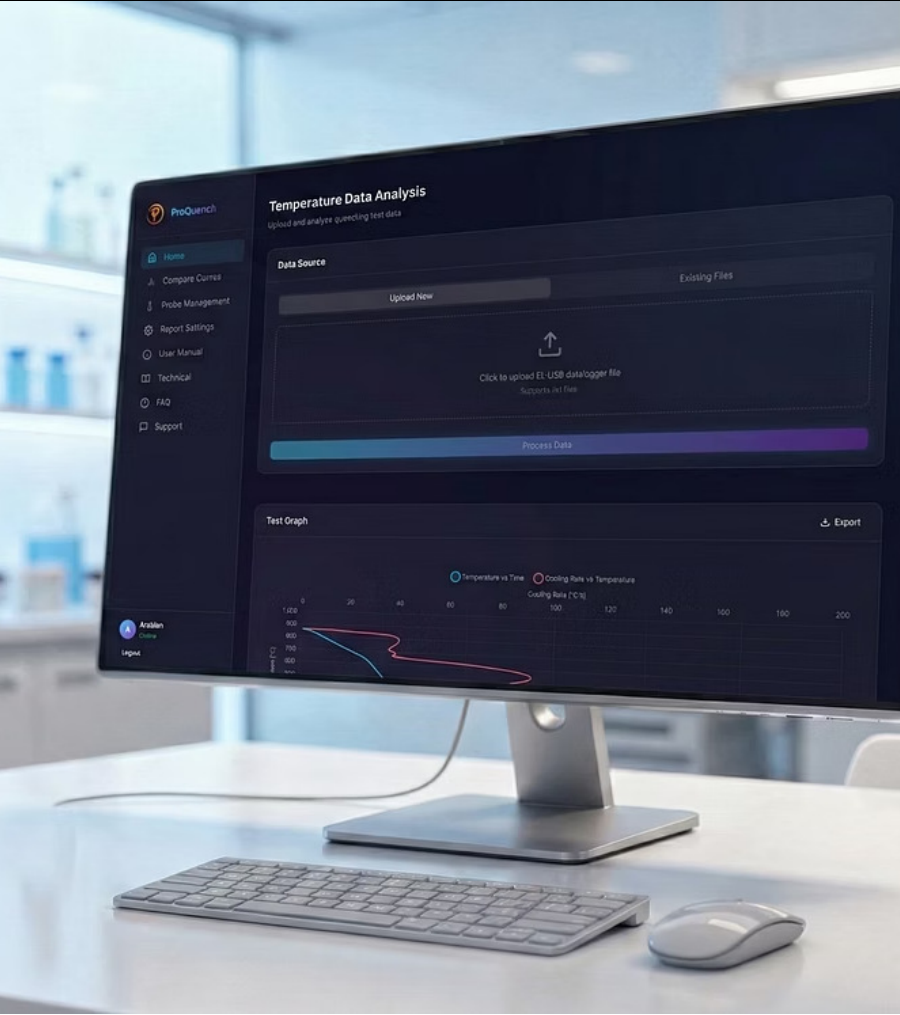
ProQuench generates quench oil test reports with NABL probe traceability, instrument calibration references, and all six D6200 parameters — formatted for AMS 2759 process documentation and NADCAP heat treatment audits.
Qualification Baseline & Deviation Alerts
ProQuench stores the initial AMS 2759 qualification baseline and auto-calculates deviation on every periodic test — instantly flagging when quench oil performance falls outside approved limits requiring corrective action.
Post-Changeout Requalification
After any quench oil changeout, ProQuench runs and documents the mandatory AMS 2759 requalification test — generating a new baseline and certification report in under 30 minutes.
Trusted by Aerospace Heat Treaters
ProVaC's equipment is trusted by aerospace and defence heat treatment operations including facilities supplying to HAL, DRDO, and international aerospace OEMs — serving the most demanding documentation requirements in any industry.
How to Generate a AMS 2759 Compliant Report
From probe preparation to signed PDF report — a complete AMS 2759 test run with ProVaC equipment takes under 30 minutes.
Initiate AMS 2759 Quench Media Test Record
Open ProQuench and create a new AMS 2759 quench media test record. The system pre-loads the quench oil type, last test date, qualification baseline, and flags whether this is an initial qualification or a periodic re-test per the facility schedule.
Install NABL-Certified Inconel Probe
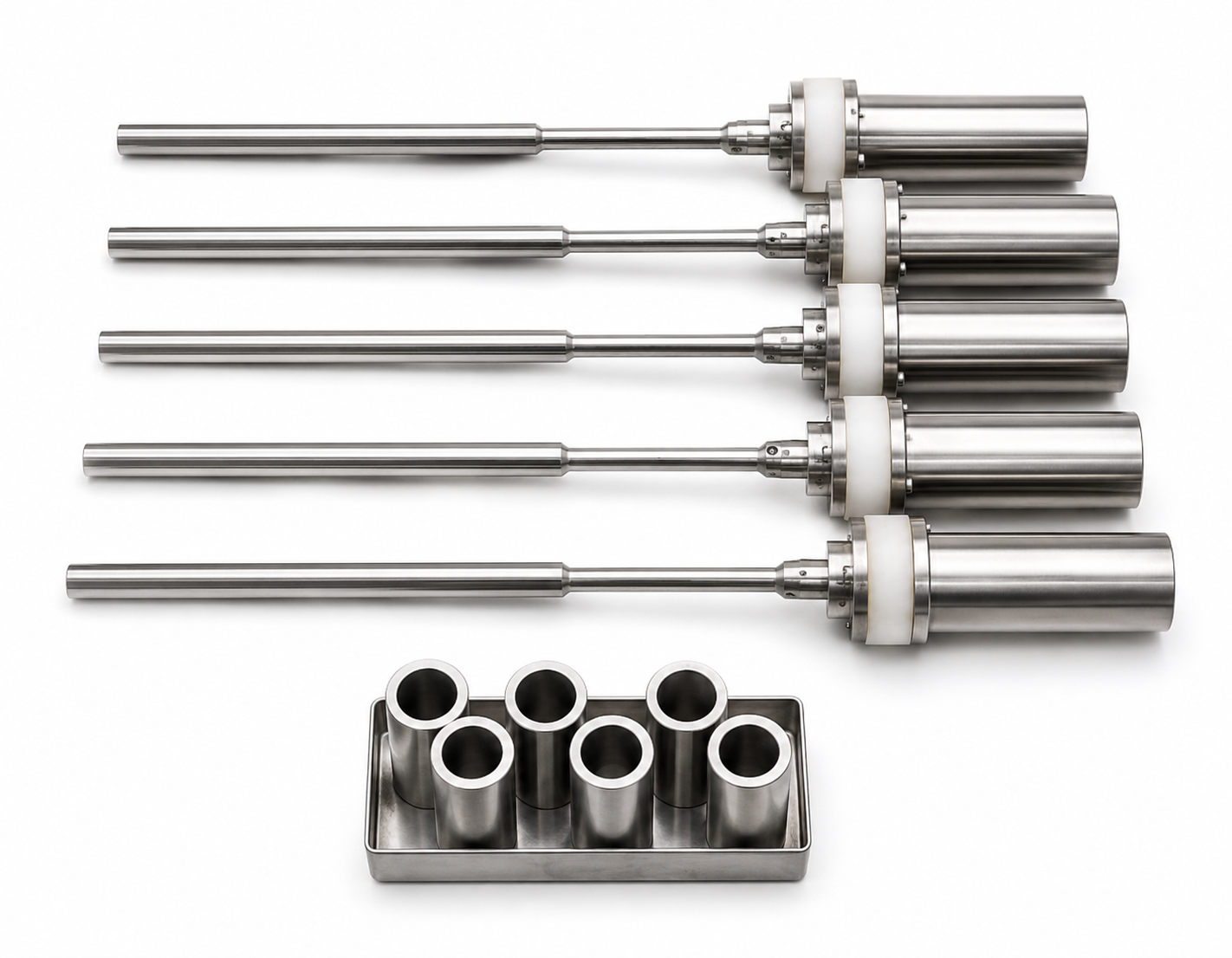
Mount the NABL-traceable Inconel 600 probe (12.5 mm × 60 mm). ProQuench logs the probe serial number, K-factor certificate, and last calibration date — mandatory traceability for NADCAP AC7102 audit documentation.
Draw Representative 2000 mL Oil Sample
Sample the production quench bath at operating temperature per ASTM D6200 protocol. AMS 2759 requires the test to represent the actual in-service quench oil — not fresh oil — to detect degradation and contamination over time.
Run 850 °C Probe Transfer Test
The Pro-Quenchometer heats the Inconel probe to 850 °C and performs the automated transfer into the 2000 mL oil bath. The full cooling curve is acquired at ≥20 samples/second with all test parameters automatically logged.
Compare Against AMS 2759 Qualification Baseline
ProQuench automatically compares the new test results against the stored AMS 2759 qualification baseline and quench oil supplier specification. Parameter deviations beyond approved limits trigger an immediate alert and corrective action prompt.
Generate NADCAP-Ready AMS 2759 Compliance Report
A fully documented AMS 2759 quench media monitoring report is produced — including cooling curve, all six parameters, baseline comparison, trending chart, NABL probe certificate reference, and instrument calibration data — ready for NADCAP audit submission.
Ready to Achieve AMS 2759 Compliance?
ProVaC's Pro-Quenchometer is precision-engineered to meet every requirement of SAE AMS 2759. Talk to our quenching technology experts for a tailored compliance solution.